

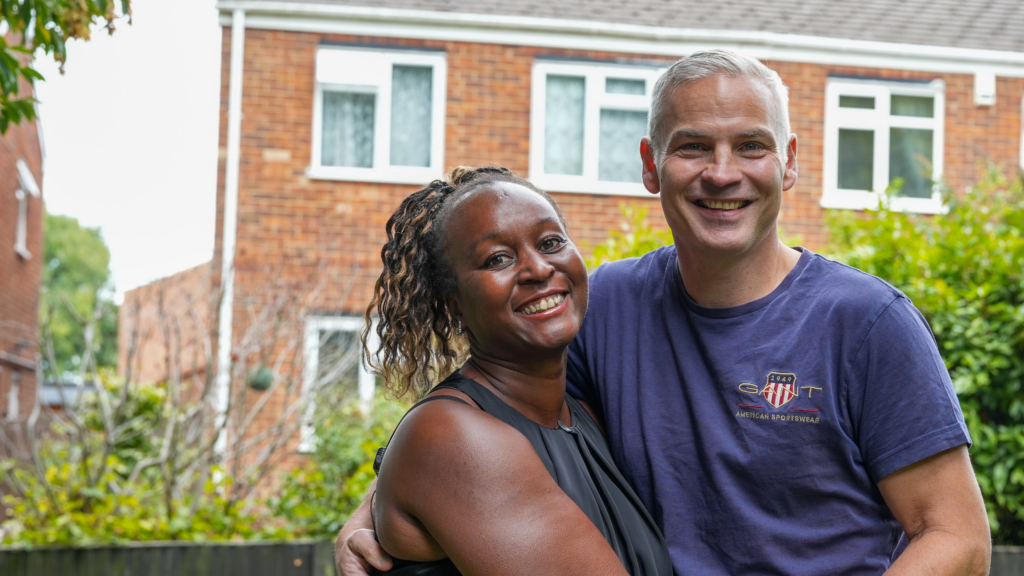
Ed and Miki: “Supporting each other helps us carry the weight of our jobs as firefighters”
Ed and Miki Haines have spent almost 20 years juggling family life alongside their full-time roles, serving as firefighters.
They’ve supported each other through traumatic incidents, managed the pressures of shift work and brought up their 13-year-old son. And they say communication, understanding and support have been essential in helping their relationship thrive throughout.
Here, they’ve shared their journey over the last two decades and how they’ve supported each other through the highs and the lows.
This Christmas, will you help more people like Miki and Ed, so they never have to face the health and wellbeing impact of service alone?
Balancing family life and firefighter shift patterns
It was on their very first date that Ed and Miki realised they shared the same dream: to become a firefighter.
With encouragement from each other they went on to apply, were both successful, completed training just weeks apart, and began their careers with London Fire Brigade – working in separate stations.
“We were very fortunate we both passed each stage of training, or it could have been quite awkward!” says Miki. “I was ahead of Ed by a few weeks, but it wasn’t something we really brought home with us. You’d come home exhausted and tune out of work.
“Looking back now, having support available for couples at the training stage would be incredibly beneficial.”
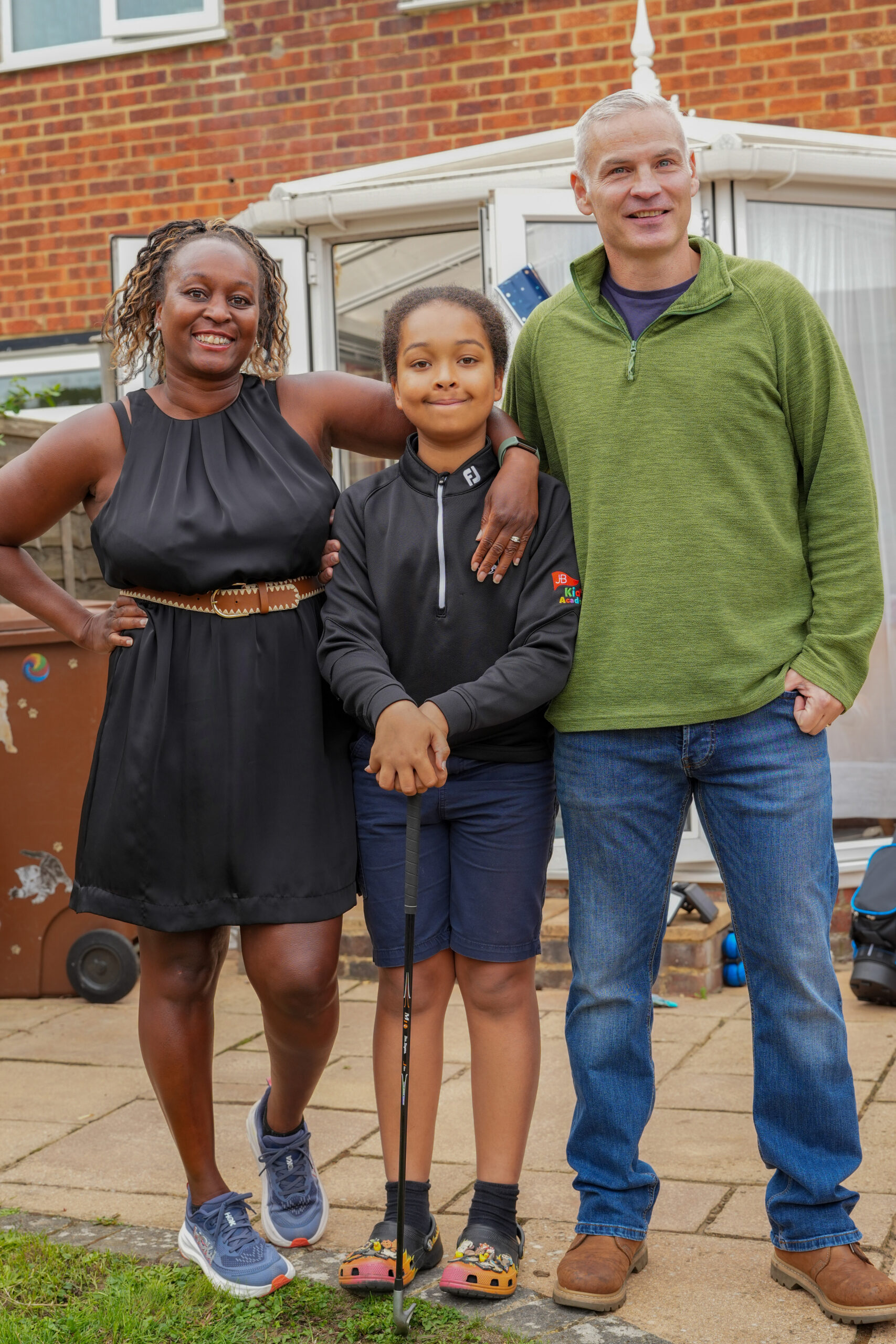
Nearly two decades later, they’re still serving alongside raising their son, Josiah. But while they both feel immense pride in the job, life in the fire service has come with its challenges, too.
“The issue we have a lot of the time is childcare,” says Miki. “Josiah is 13 now and often has activities outside of school time, which can be a challenge to organise around our shifts. It is so unpredictable.”
Related: Learn more about our support for families
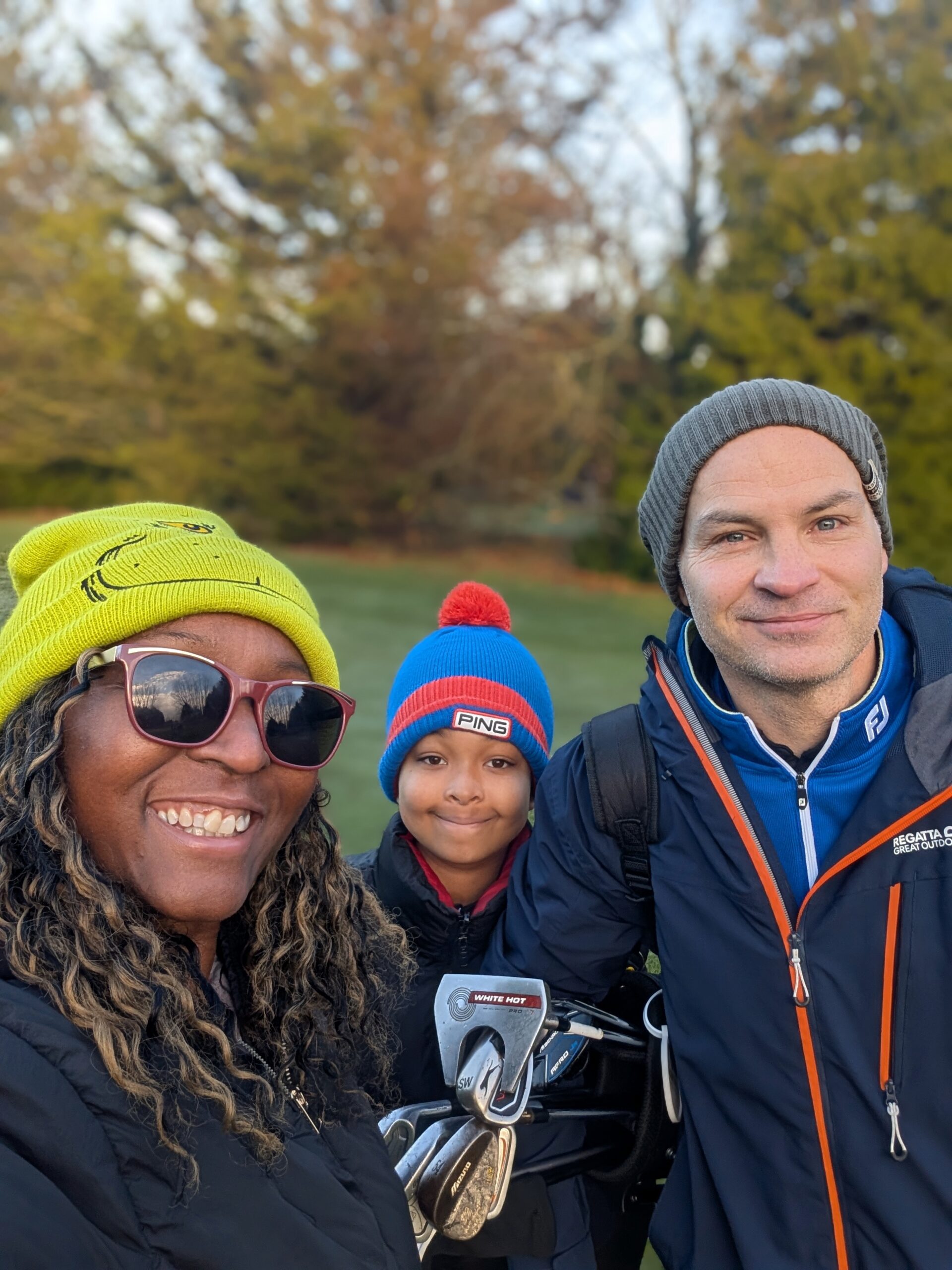
Their opposite shift patterns mean there is usually somebody at home, but it also means periods of time where they barely see each other.
“We work a split shift, so when Ed goes on to day shift, I’m off completely. Then when I go on to my day shift, Ed is going on to his nights, so for two days and two nights, we don’t see each other at all,” Miki adds.
It means family events, celebrations and holidays can often be impacted.
“We celebrate Christmas whenever we’re both home,” says Miki. “We usually get two full days together, whether that falls on the 10th of December or the 31st of December, whatever it is that is our Christmas Day.
“We do have some friends and family who have struggled to understand the job over the years. Until you’ve worked it, it’s difficult to.”
Ed adds: “You could be playing with Josiah all day if you’re on nights over the weekend, and then you’ll get to 7pm and have to go to work and his face will drop. I love the job, but sometimes nights are harder if you’ve had a day with your family.”
Despite this, Ed and Miki wouldn’t change it – the juggling act comes as part of the roles they love. However, the more practical challenges can also come hand in hand with the emotional impact of difficult and sometimes traumatic incidents.
How traumatic incidents can affect relationships and family life
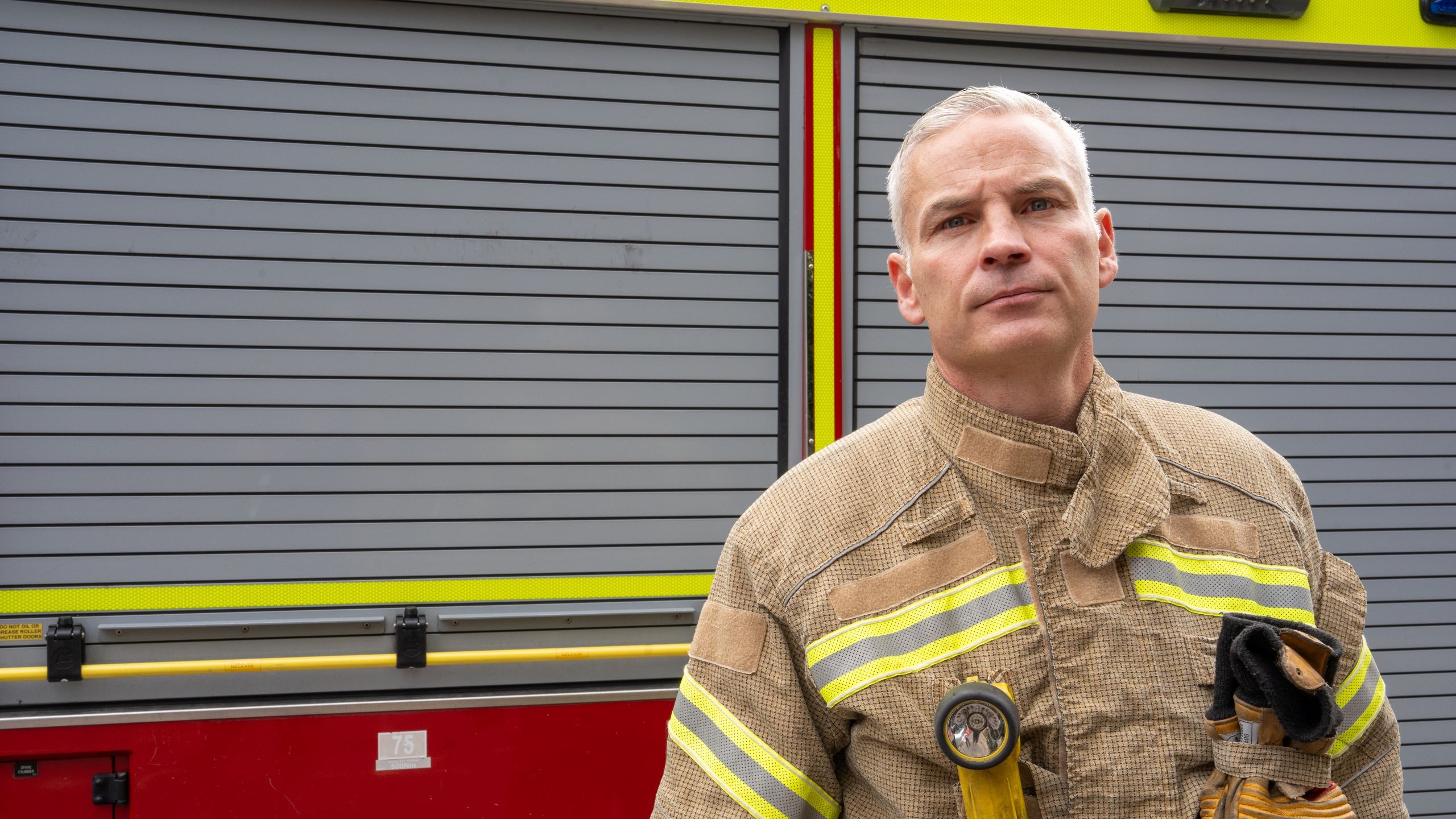
One Christmas Day, just weeks after joining the service, Ed attended his first fatality.
“I responded to my first fatality three weeks into the job on Christmas Day morning,” he says. “It dawned on me that the family didn’t even know, and they’d be waking up on Christmas morning to be told that awful news.”
In recognising the devastation for this family, Ed carried the weight of what he’d witnessed long after the incident. The emotional impact showed up in ways he didn’t understand at the time.
“I was like a bear with a sore head, really moody, distant and angry with a lot of sleepless nights, and I didn’t understand why. I now know it was shock and my mind processing it all,” he says.
“You just spend the whole day praying that you won’t get a shout”
Miki Haines
For Ed, the experience highlighted how first responders can carry the emotional burden of tragic incidents long after the shift ends. Supporting people on what could be the worst day of their lives can leave a lasting impact, making access to our mental health support particularly important.
“I always think, if I’m in over Christmas, I might as well have a laugh with my Watch, but you just spend the whole day praying that you won’t get a shout,” Miki adds. “You just know, whatever shout you get, that Christmas and every Christmas after it is going to be ruined for that person.”
Looking back, both Ed and Miki believe open communication played a crucial role in helping them cope following that first difficult experience for Ed.
“The good thing about both Ed and I being in the same job is we recognise when the other is feeling down or struggling,” says Miki. “Everyone’s responses are so different.”
They have also seen how difficult it can be when firefighters keep their feelings bottled up, and Miki adds: “I think a lot of firefighters do compartmentalise and I’ve seen men hitting about 50 and all of a sudden I think Pandora’s box was open.
“They’ve seen and done so much, they’re getting towards their retirement and it’s like, what am I going to do? Where am I going to go?’ And all these other little things start coming back and there was a state of mental health being really low.
“We hold all that stuff in and then bang. It’s very difficult.”
Supporting each other through Grenfell and difficult incidents
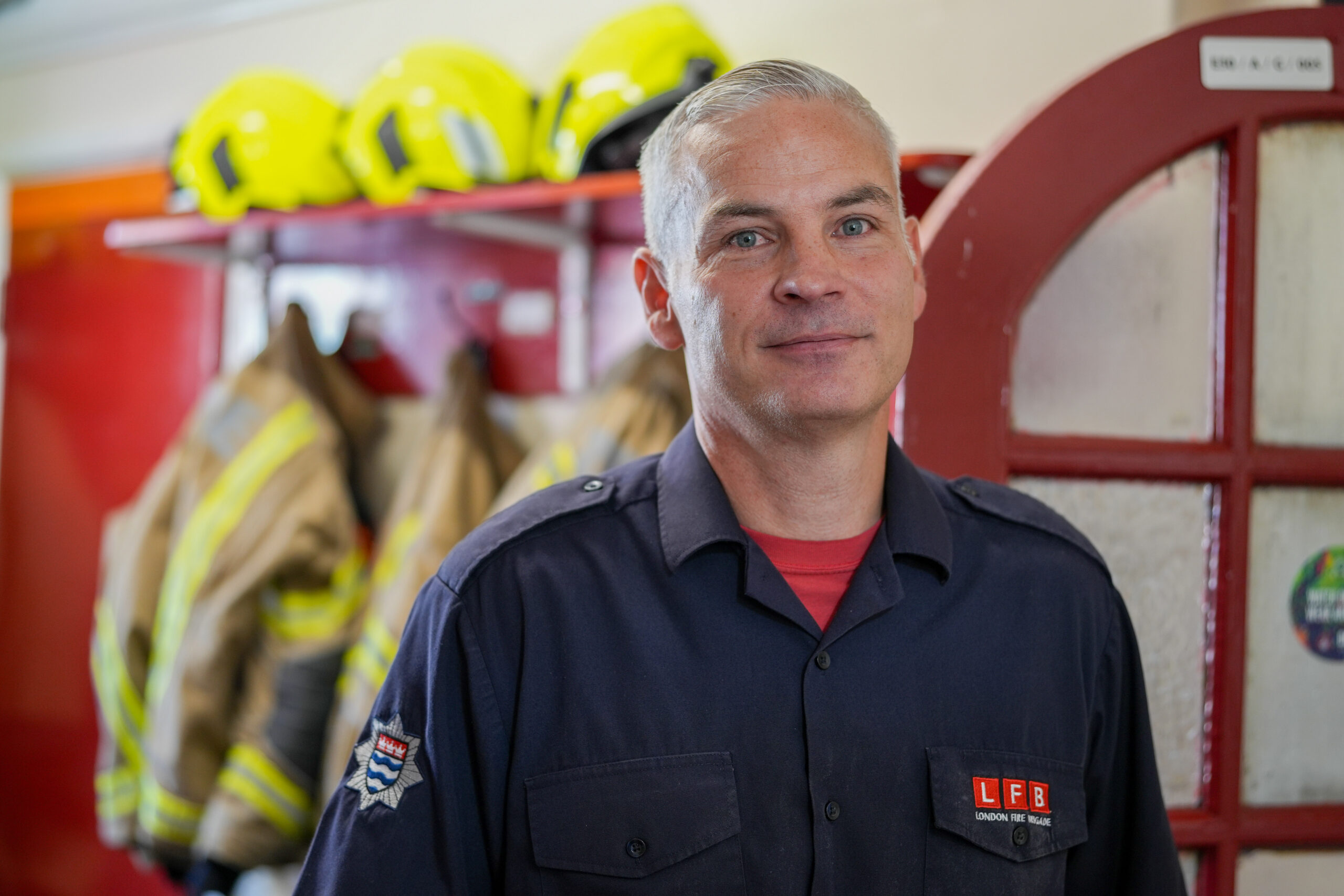
That open and supportive communication became even more important in 2017 when Ed attended the Grenfell Tower fire.
For Miki, the experience brought a new perspective on the risks both she and her husband face in their roles.
“We’ve had interesting shouts together and always handled them fine, but that was before we had our son,” she says. “I started thinking, ‘this could be dangerous for one of us’. That really hit home for me when Ed was called to Grenfell.”
While Ed spent hours at the incident alongside hundreds of other firefighters, Miki was at home caring for their young son:
“My brain went two ways. The first one was, ‘oh my goodness, my husband is in this really dangerous situation’. And then the other side went, ‘thank goodness I’m home with our son’. He was two and a half at the time.”
Related:
Why communication matters in fire service relationships
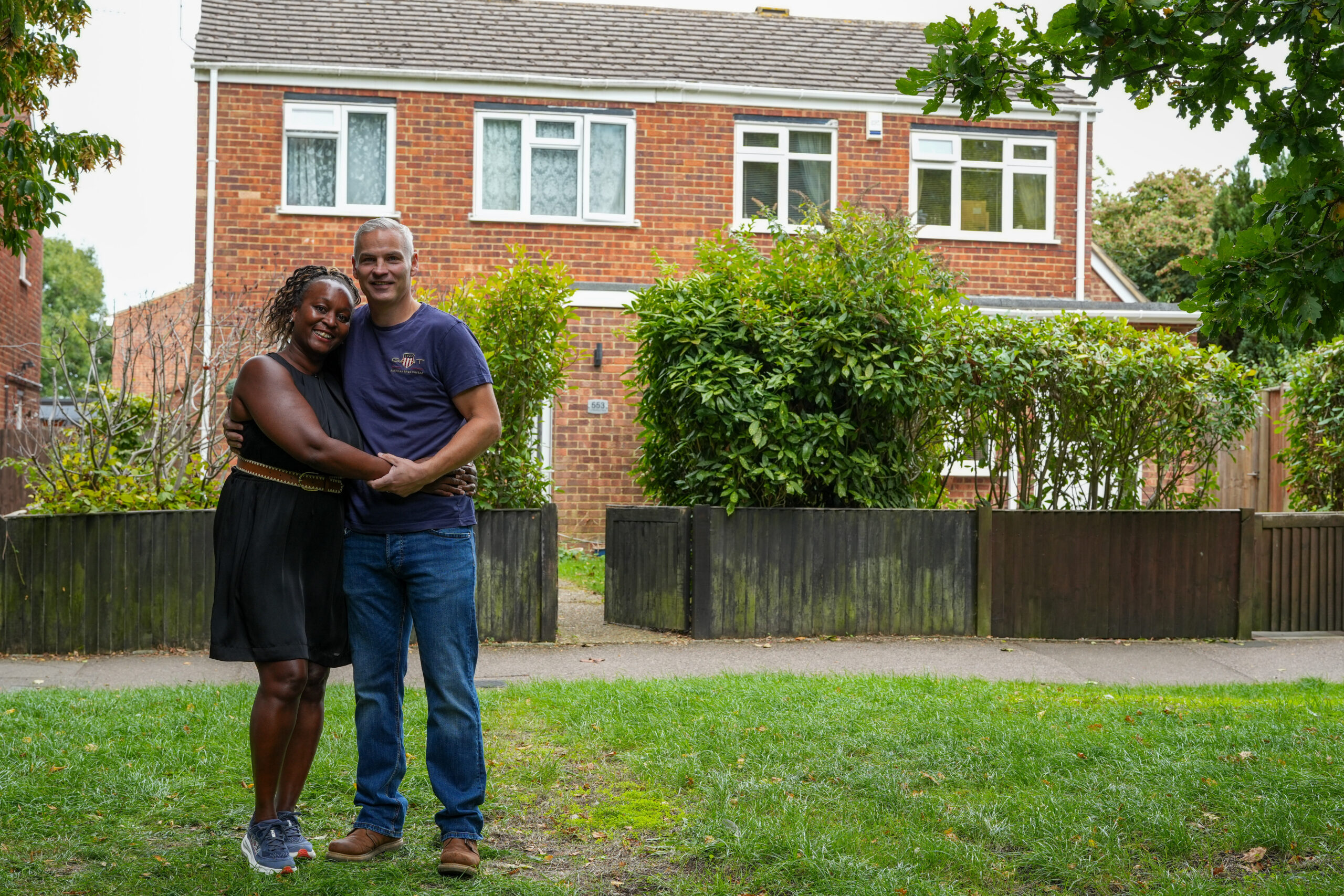
The weeks after proved particularly challenging for both of them and Ed recalls: “I think having a partner in the job as well, there was an understanding there. Miki was brilliant after Grenfell. I had nightmares for weeks. Really, really funky dreams, and she was there every day.”
Miki believes part of that support came from being able to understand the realities of the role, even if she hadn’t experienced that specific incident herself.
“I think you could come home and explain to me, knowing I could understand,” she says.
“I wasn’t there, so I couldn’t understand to the level his colleagues who had been there with him could understand, but I could be there for Ed. Mentally, physically. I know what he’s talking about. That kind of understanding is really important for us.”
The importance of seeking support early
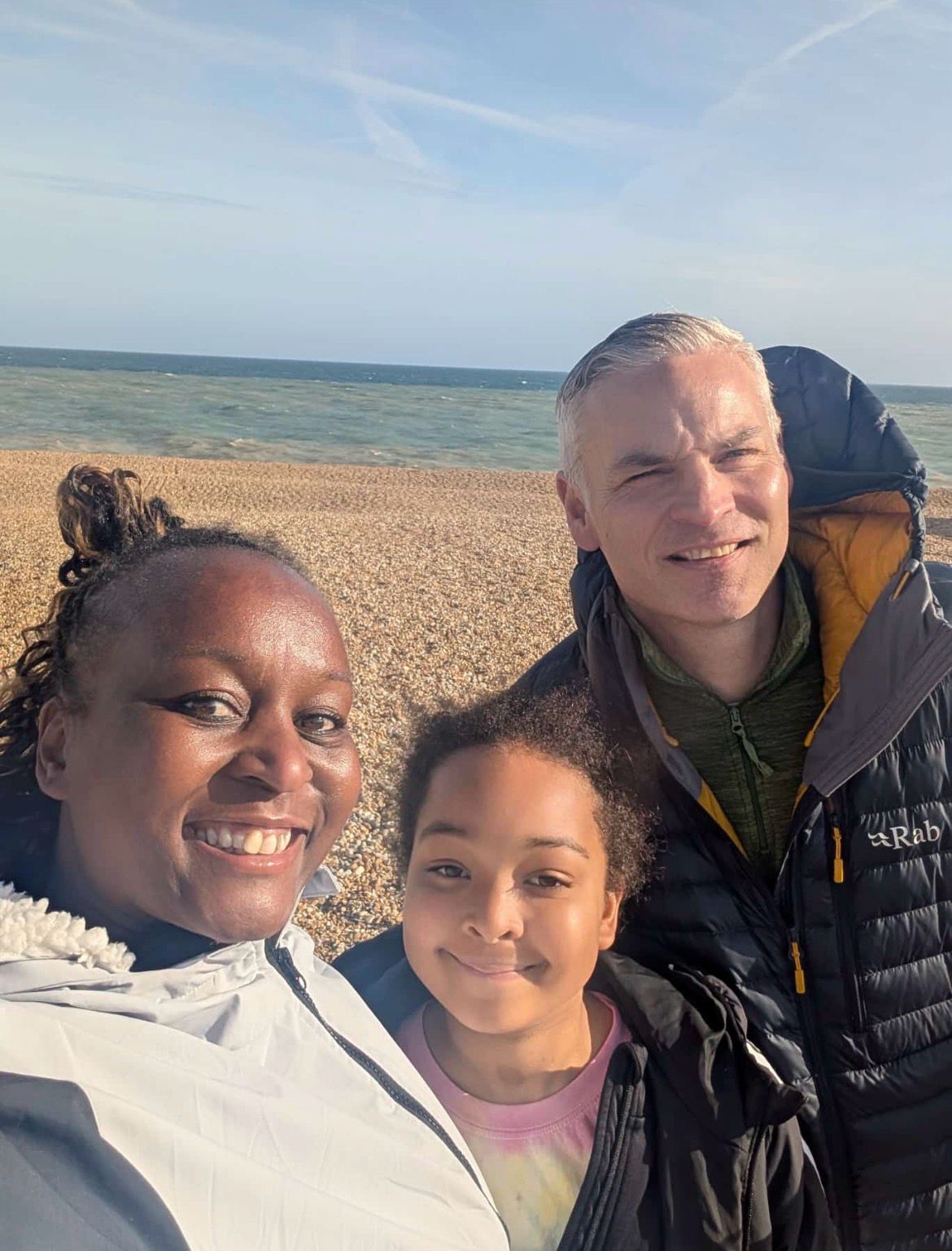
Their experience has reinforced how important it is for people right across the fire services community to be able to talk openly.
“Being able to talk to somebody that’s in the job, or that understands the job, is so important – and that’s also what sets Fire Fighters Charity apart,” Miki says.
Ed adds: “Speaking to someone about how I was feeling really unburdened me and helped me move forward. I’d really encourage anyone who is struggling to do the same.”
Both also now encourage their colleagues to seek support, whenever they may need it – and as early as possible.
Years after joining the service, Ed reached out to us following an injury that kept him away from work for several months.
“I initially had online physiotherapy support through Fire Fighters Charity, before they extended the offer and invited me to Marine Court in Littlehampton for five days. I’m indebted to the charity now,” he says. “The care that I got was first class, honestly.”
It opened his and Miki’s eyes to what’s available to him and his colleagues across the UK, too, including our mental health support:
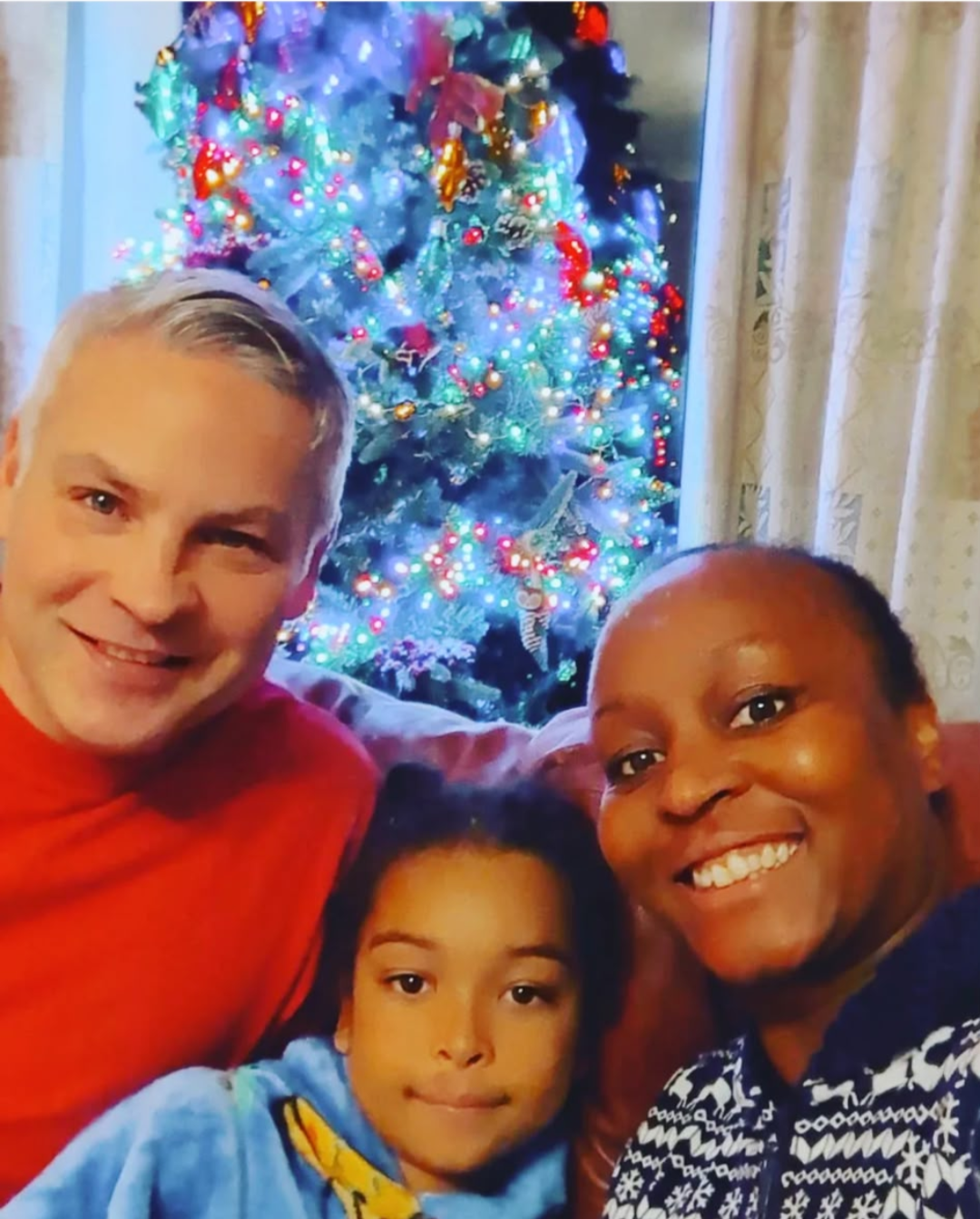
“People should never feel isolated in this job. I’ve unfortunately known two firefighters personally who have died by suicide. A lot of people suffer in silence and they need to know that the help is there for them”, Ed says.
Miki adds: “It’s one of those careers where people think you need to always feel strong, but it’s good that it’s being recognised that we’re all human.”
After nearly 20 years together, they believe the same principle applies to relationships as it does to wellbeing. Challenges are inevitable, but talking about them early and having the right support can make all the difference.
“It’s so important to have support there for couples, whether both in the fire service, or one of them,” says Miki. “And that should be at every stage of a career, from new recruits onwards into retirement.”
If you feel you’d benefit from our health and wellbeing support, you can call our Support Line on 0800 389 8820, make an enquiry online or click below: