
Russ: “I left it way too late to seek support – I’d urge others not to wait that long”
Noticing when things are feeling more difficult, or you’re feeling low, isn’t always easy. Often, it’s the people closest to us who spot the signs first.
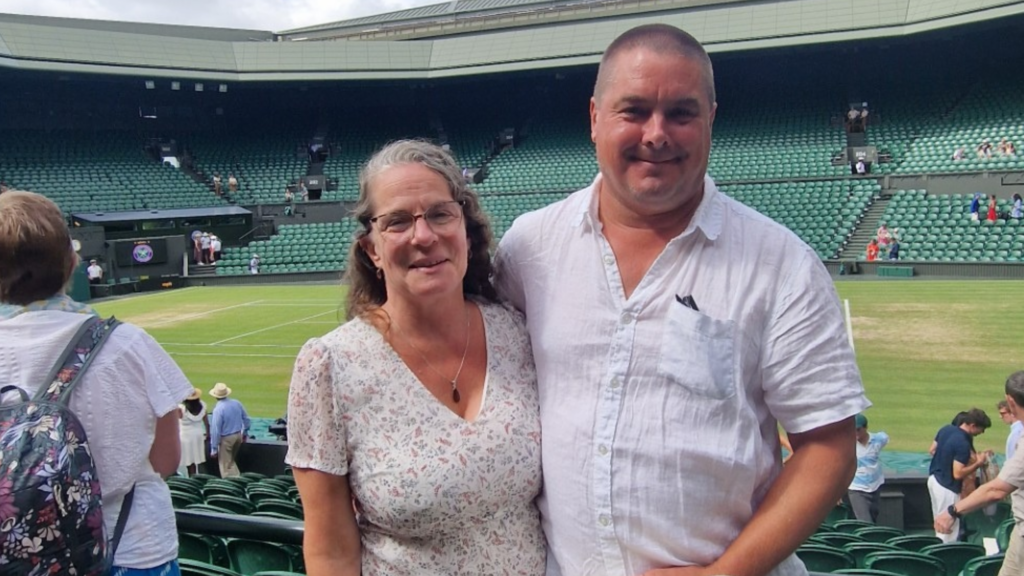
For Kent firefighter Russ Pritchard, it was his partner, Dot, who realised he wasn’t himself.
Having previously received support from us following a physical injury, Russ knew where to turn when he began struggling with his mental health. But he admits there was still a moment of hesitation:
“There’s a little niggle where you think, ‘I’ve already used it once, I shouldn’t use it again’. But I know a lot of people who have had that same thought and been back – and benefitted from it hugely,” he says. “We need to try and not let it stop us reaching out.”
Fortunately, it didn’t stop Russ. Since then, he’s accessed mental health and trauma support and, more recently, help following a cancer diagnosis.
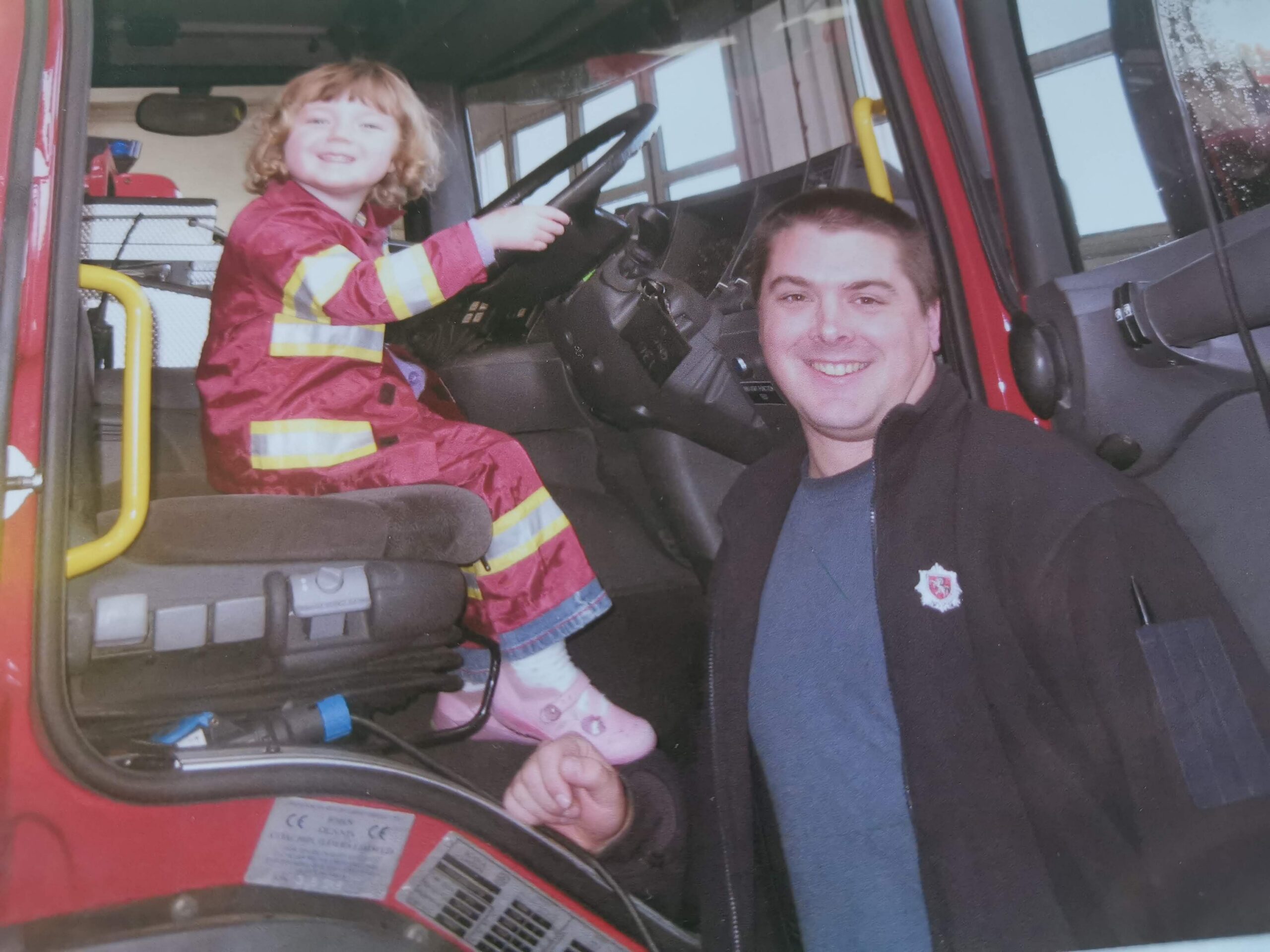
“I joined Kent Fire and Rescue Service as an on-call firefighter in 1998 and went wholetime in 2001. It’s had its ups and downs, but I’ve enjoyed it hugely,” Russ says.
“I was very aware of Fire Fighters Charity from my recruit course and was lucky enough to not need any support until Covid – but since then, I’ve been incredibly fortunate to have a lot of help.”
“I had too much time to think”
Russ’ first experience of that help came after rupturing his Achilles tendon during the pandemic.
“I had online physio and then I was invited for a physical rehab week at Marine Court, the charity’s centre in Littlehampton,” he says. “It was really good and speeded up my return to work no end. Seeing how amazing the facilities are and the support available, you realise what’s available for you.”
The injury meant Russ had months off work and felt very isolated from his colleagues while recovering at home.
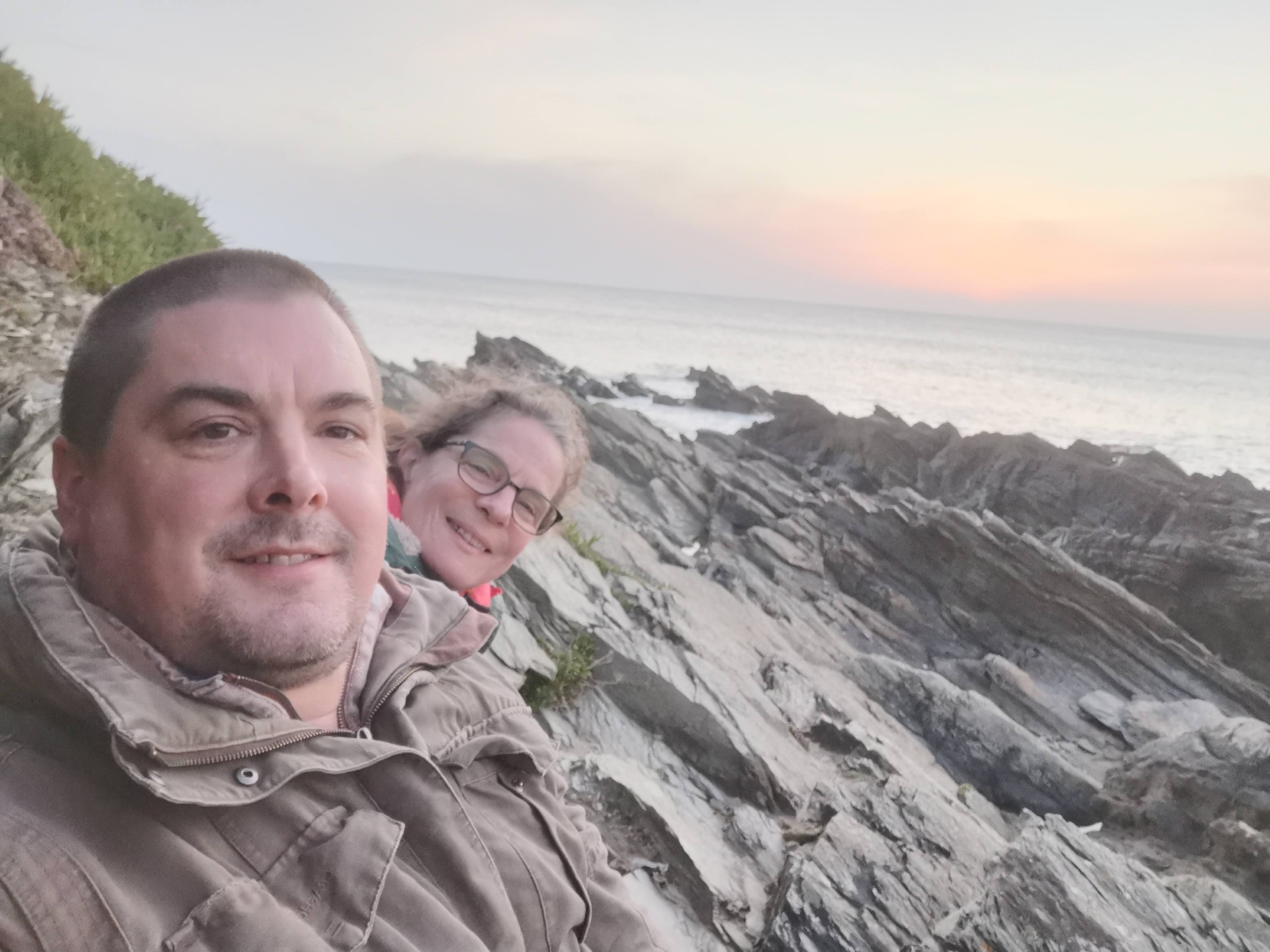
“It just meant I had too much time to think,” he says. “I was aware I was getting quite isolated and feeling detached, so those were early warning signs that I needed some help, but it was my partner who pointed out I wasn’t myself.”
During a follow-up call with us, Russ shared how he was feeling. We recommended he attend the Reset Programme at Harcombe House, our centre in Devon, from there.
Our Reset Programme is designed to help people with their mental wellbeing, with group-based workshops, time outdoors and exercise in the gym and pools.
“The place is just wonderful, you can relax there and just let things go a bit,” he says.
“It was a big boost to reengage a little bit and I felt a lot better returning home after it. I felt like I got some normality back, having had a week of interacting with people, and less isolated than I had in months.”
“I got to the stage where I wasn’t excited when the bells went down”
After returning to work, Russ continued to keep an eye on his wellbeing and encourage others to access support. That awareness proved essential after he attended a particularly traumatic incident in 2024:
“I’d been on a pretty rough job. It was a good outcome in the end, but it so nearly wasn’t,” he recalls. “It had involved people being trapped for a long time, including children, and we thought they hadn’t made it. Something just slipped after that for me.
“I got to the stage shortly after where I wasn’t excited when the bells went down, in fact I dreaded it. I realised fairly quickly at that point that I shouldn’t be at work. I went off sick in May 2024.”
Russ received trauma counselling through his fire and rescue service, which helped him begin processing what had happened. But while taking time away from work to recover, he noticed he had been passing blood and contacted his GP for a check-up.
“I got a call shortly after the tests asking me to go in that same day, so I knew it wasn’t good news,” he says. “I was diagnosed with prostate cancer on 31 December 2024. I was two months over 51 at the time.
“I had surgery in the March and with being off for a long time again, stuff started coming up, I had more time to think, and I was actually diagnosed with complex PTSD.”
Throughout that difficult period, Russ remained in touch with us while receiving specialist therapy elsewhere. He also attended the Living Well After Cancer Programme at Harcombe House.
“That was absolutely phenomenal, very, very emotional, but just stunning,” he says.
“I’m still in contact with the people on the programme. For all of us, being able to share our experiences was so helpful. We were all different, but deep down we were all going through the same thing.”
Following discussions with the team, Russ later attended our Living with Trauma Programme, which is group-based and aims to help those in attendance find ways of coping with trauma and moving forward.
“It was really, really emotional but hugely supportive,” he says.
“I came away feeling so engaged again and so much better in myself. It’s not a one-time fix, this will always be ongoing for me, but it helped me move forward and find ways of coping which have continued to really help me.”
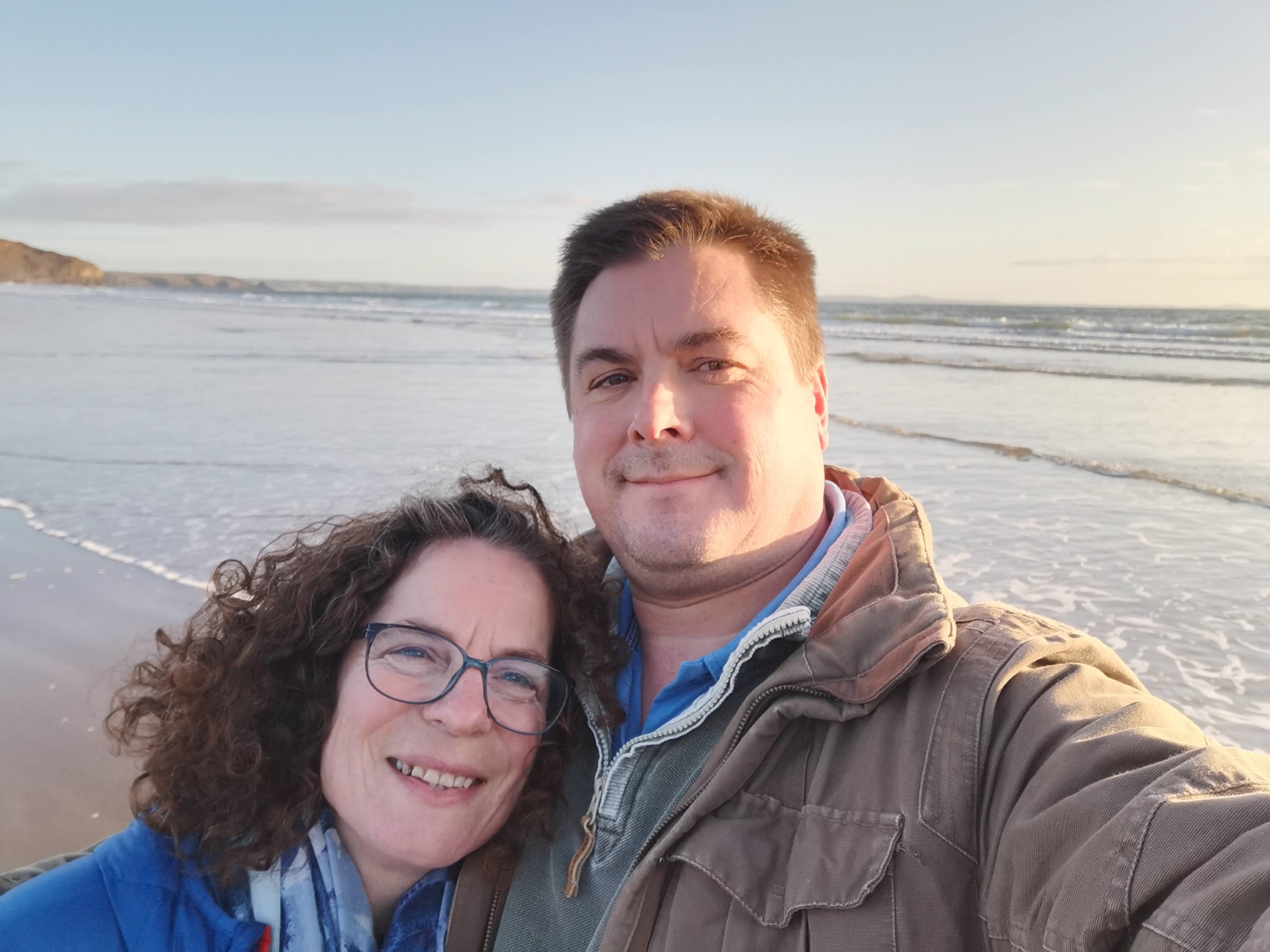
“She’s been amazing”
Throughout everything, Russ says one person has been his constant support – his partner Dot.
“She’s been amazing, I wouldn’t have got through these couple of years without her,” he says. “But she’s had a rough couple of years with it too.”
Dot later attended the Reset Programme herself, to build her own resilience following such a challenging time.
“She was very nervous about going on it, she worried she didn’t deserve it,” Russ says. “As it happened, there was two other women on her programme, one of them a partner too, and she found it really helpful. We encourage everyone we speak to now, who’s going through difficult times, to tell their partners about it.”
Dot adds of her time there: “Despite being nervous about not being a firefighter myself before I went, the others on the programme were so welcoming and really valued a different perspective.”
The couple also enjoyed a Rest and Recharge stay together at Harcombe House:
“It meant we could enjoy the surroundings and take time away together,, without a set programme” Russ says. “With the PTSD, I struggle with concentration or sticking with anything, but getting out for a walk in the countryside, or a bike ride, or getting away in the motorhome has been the biggest help for me. Harcombe House provided that for both of us.”
“The support is amazing, don’t wait to access it.”
Russ Pritchard
“The hardest thing is acknowledging that you need help”
Russ is continuing radiotherapy and is focused on his recovery. By sharing his story, he hopes others will seek support sooner than he did.
“The hardest thing is acknowledging that you need help, but that’s the biggest hurdle. When you recognise it in yourself, you find everyone around you noticed too,” he says.
“Starting talking is hard the first time, but it gets so much easier the more you do it. It’s incredible.
“I left it way too late to seek support, and I’d urge others not to wait that long. The support is amazing, don’t wait to access it.”
If you feel you’d benefit from our health and wellbeing support, you can call our Support Line on 0800 389 8820, make an enquiry online or click below: